

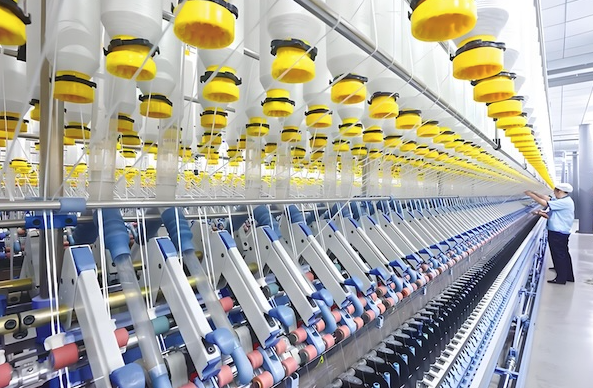
In the evolving landscape of sustainable textiles, elastic yarns have emerged as a critical component for creating comfortable, functional, and performance-oriented fabrics. As consumers increasingly demand both comfort and environmental responsibility, manufacturers are responding with innovative elastic yarns that align with eco-friendly principles while maintaining the stretch and recovery properties essential for modern apparel and technical textiles.
Traditional elastic yarns have often relied on synthetic materials with significant environmental footprints, including conventional polyester derived from virgin petroleum and elastane fibers that complicate recycling processes. However, today’s eco-conscious manufacturers are transforming this sector through several groundbreaking approaches.
Recycled polyester elastic yarns represent a significant advancement in sustainable stretch technology. By utilizing post-consumer PET bottles and industrial polyester waste, these yarns reduce landfill burden, decrease energy consumption, and minimize the extraction of virgin resources. When combined with recycled elastane or innovative stretch technologies, these yarns provide the elasticity needed for activewear, swimwear, and performance apparel while significantly reducing environmental impact.
Dope-dyed elastic yarns offer another sustainable innovation by incorporating color during the polymer extrusion process rather than in traditional wet dyeing methods. This technique conserves water, reduces energy consumption, and eliminates dye wastewater pollution. For elastic yarns, this technology maintains stretch properties while providing vibrant, colorfast results that withstand repeated stretching and recovery cycles.
The antimony-free movement has also reached elastic yarn production, with manufacturers developing catalyst systems that eliminate this potentially harmful heavy metal from the polyester manufacturing process. This innovation ensures that elastic yarns meet stricter environmental standards and reduce potential health risks throughout the textile lifecycle.
Biodegradable elastic options are perhaps the most revolutionary development in this space. While traditional elastane fibers can persist in the environment for centuries, new bio-based and biodegradable elastic polymers are emerging that provide necessary stretch and recovery properties while breaking down under appropriate conditions. These innovations are particularly valuable for applications where end-of-life disposal has been problematic, such as disposable medical textiles and single-use stretch products.
Performance enhancements in eco-friendly elastic yarns are expanding their applications across diverse sectors. Moisture-wicking recycled polyester elastic yarns are transforming activewear, while biodegradable elastic options are making sustainable swimwear a reality. These yarns now offer UV protection, antimicrobial properties, and enhanced durability without compromising their environmental credentials.
The integration of sustainable elastic yarns into circular textile systems represents another significant advancement. Designers are now creating products where elastic components can be easily separated for recycling, addressing previous challenges in textile-to-textile recycling of stretch fabrics. This approach supports the growing demand for truly circular fashion and technical textiles.
As the textile industry continues to evolve, the development of eco-friendly elastic yarns demonstrates how performance and sustainability can coexist. Manufacturers who invest in these technologies are not only reducing environmental impact but also meeting the growing consumer demand for sustainable products without compromising functionality. The future of stretch textiles lies in these innovative yarns that provide the perfect balance of elasticity, performance, and environmental responsibility—proving that comfort and conscience can indeed stretch together.
